


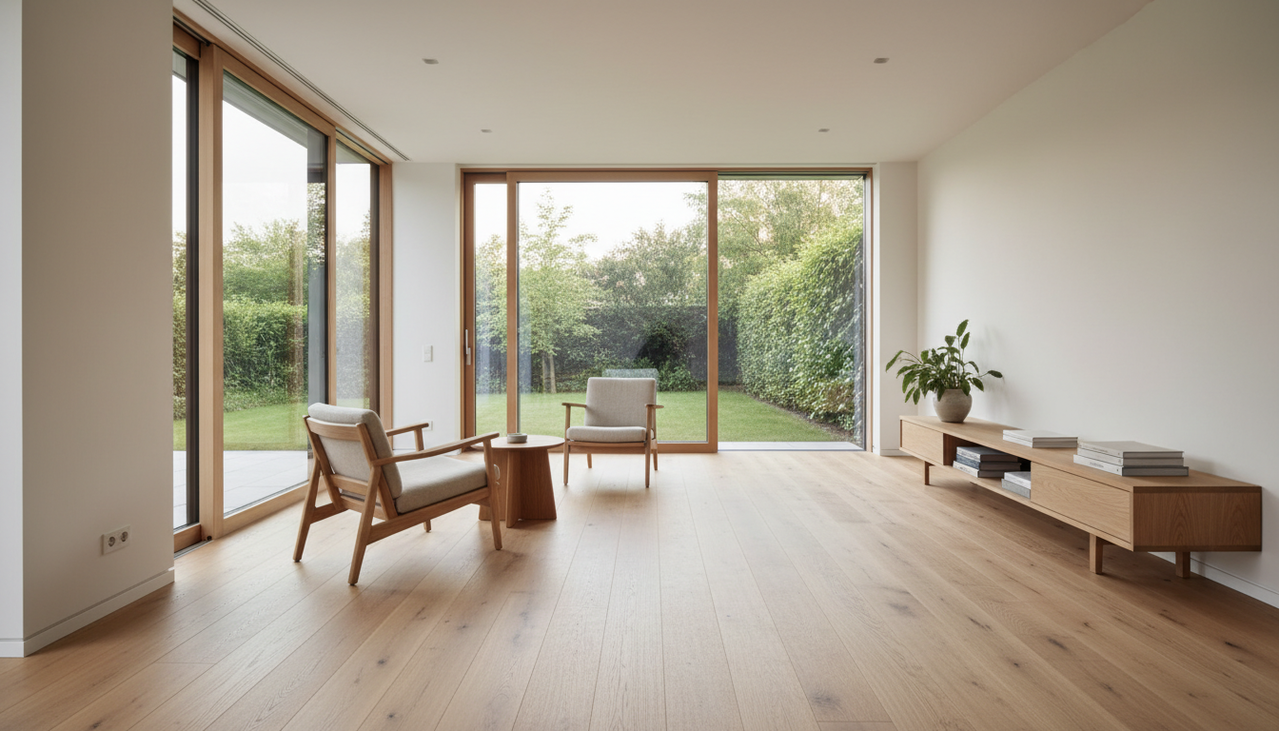
WOOD FINISH GUIDE
Oil, varnish, lacquer or polyurethane?
How to choose the right finish for your wood.

By Jan Torfs, Global R&D Director at Rubio Monocoat. 20+ years in wood protection chemistry, molecular bonding and compliance.
ON THIS PAGE
FUNDAMENTALS
COMPARE THE OPTIONS
The short answer
For most interior wood, penetrating hard wax oil is the better long-term choice. It bonds inside the wood, keeps the natural look and feel, and scratches can be spot repaired without sanding the whole surface.
Choose a film finish like lacquer or polyurethane only when you want a sealed, high-sheen surface and accept a full sand-back when it ultimately fails.
Discover wood protection by Rubio Monocoat
THE PRINCIPLE
Penetrating wood finish vs film wood finish
People ask, "oil or varnish?" but the question underneath is simpler than the product names suggest. Every wood finish does one of two things. It either soaks into the wood, or it sits on top of it.
A penetrating finish (oil & hard wax oil)...
is absorbed into the wood fibres. The wood stays open, you keep the grain and texture under your hand, and the protection lives inside the surface rather than on it.
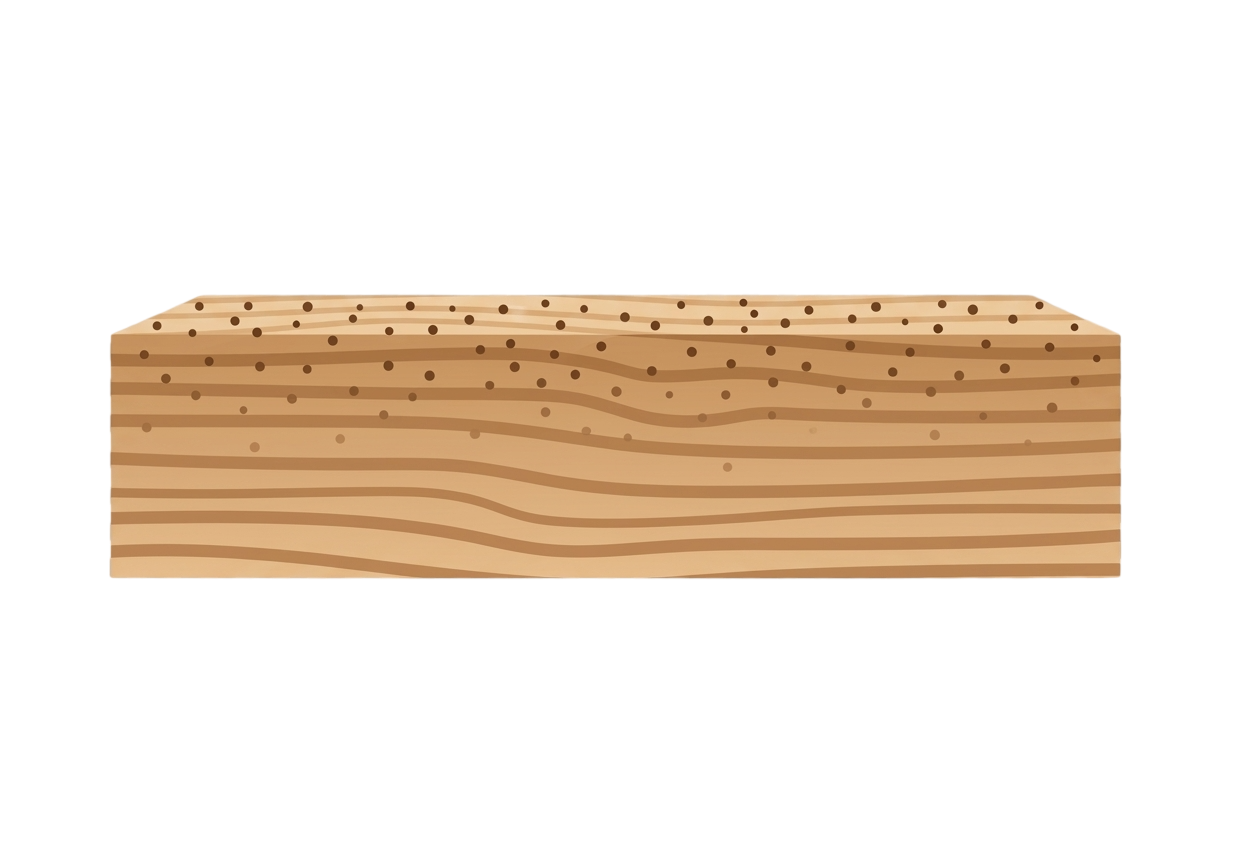
Oil bonds inside the wood
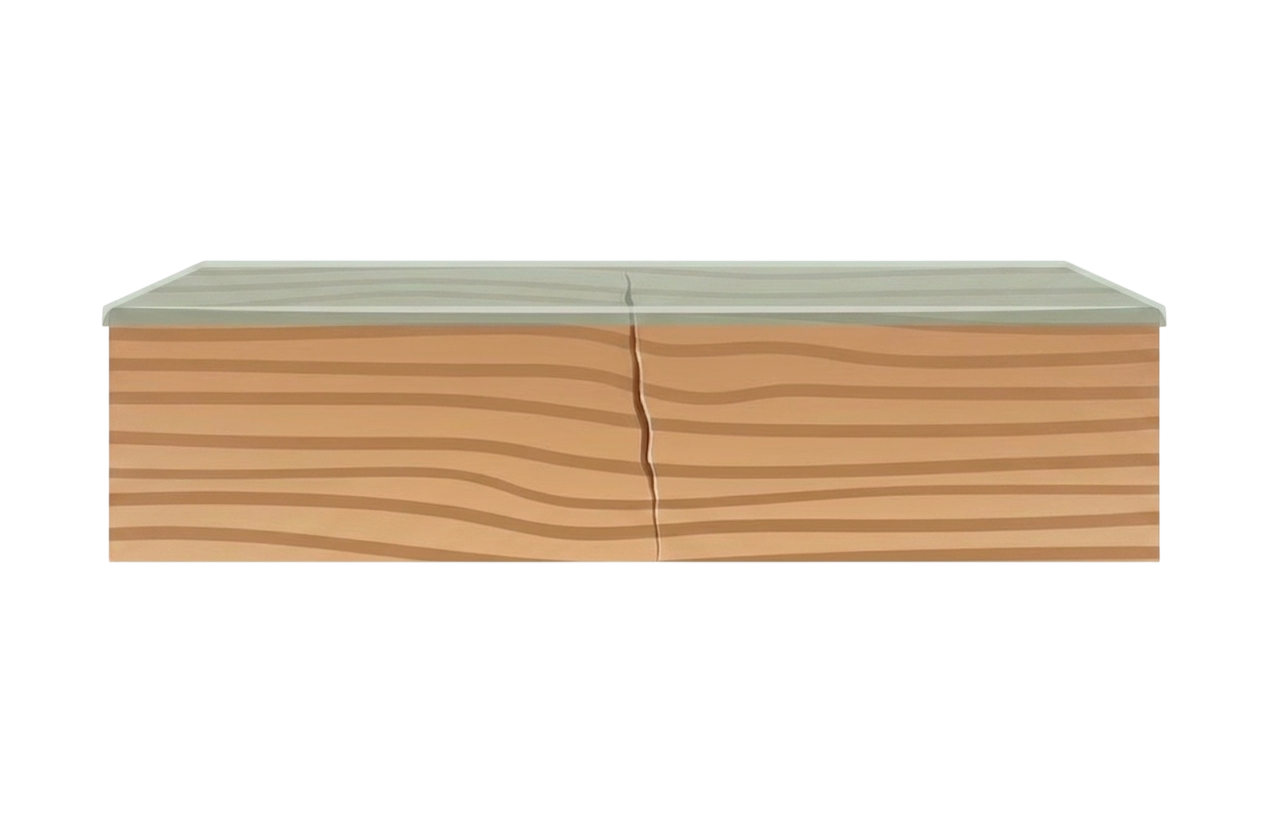
Film builds a layer that can crack
A film finish (lacquer, polyurethane, most varnishes)...
builds a layer on top of the wood. It seals the surface like a clear "film-like" skin. That skin is hard, but it is also where the trouble starts: when it scratches, it cracks and turns white, and the only clean fix is sanding the whole area back to bare wood.
How they work
Five wood finish types and how they work
Five families of finish, five different ways of protecting wood, and five very different outcomes when they wear.
PENETRATING
Traditional oil
Pure linseed or tung oil, and Danish oil blends. They nourish the wood and give the most natural look possible, but they offer little wear resistance and need a fresh maintenance coat every 12 to 18 months. Fine for a workshop piece, too much upkeep for a busy floor or a kitchen worktop.
FILM FINISH
Lacquer
A fast-drying film that sits on the surface and can be built to a high gloss. It looks sleek and seals well, but the thin film is brittle. A deep scratch breaks the film and shows as a white line, and a touch-up rarely blends with the aged surface around it.
FILM FINISH
Polyurethane
The toughest film finish, water-based or solvent-based. It builds a hard, abrasion-resistant shell and is genuinely durable while the film is intact. The catch is the same as all film finishes: when it wears through or breaks, the repair is a full sand and refinish, not a local fix. Solvent-based versions also carry a strong odour and higher VOCs.
FILM FINISH
Varnish
An older category, usually a blend of drying oils and resins. Varnish is often used loosely to mean any clear coat. True varnish behaves like a film finish: protective while intact, difficult to repair invisibly, and prone to ambering over time.
RECOMMENDED
PENETRATING
Hard wax oil
A blend of natural oils and waxes. The oil soaks into the wood fibres while the wax settles near the surface, giving water and wear resistance with a natural, matte look.
The Technology
What is hard wax oil?
Hard wax oil combines the natural look, the repairability, and the breathability of traditional wood oil with far better wear resistance.
A two-component hard wax oil such as Rubio Monocoat Oil Plus 2C takes this further: mixing the oil and wax with a hardener catalyst makes the finished surface significantly harder than a standard oil, without losing the natural feel or the easy spot repair. This is the modern professional default for interior wood.
Rubio Monocoat Oil Plus 2C goes a step beyond the standard hard wax oil because of molecular bonding. The oil bonds with the top fibres of the wood at a molecular level within minutes, rather than forming a film.
The practical wins are clear: a single layer instead of three or four, no overlaps or starting marks, 80% cured in two days, and a floor or worktop you can repair in an afternoon instead of closing down for a full re-sand.
Match the Finish to the Job
Which finish should you choose? A decision table
Match the job to the finish, not the other way round.
Film Finish
Lacquer / polyurethane / varnish
Choose if you want...
A high-sheen, fully sealed surface and accept a full sand to refinish
Avoid if...
—
You value invisible local repair over maximum surface hardness
RECOMMENDED
Penetrating
Hard wax oil
e.g. Oil Plus 2C
Choose if you want...
A natural, matte look and feel, with spot repairs you can do yourself
A floor, stairs, worktop or furniture that ages naturally and is repairable
Avoid if...
—
You want a thick, glassy, high-gloss surface
—
You will never maintain it and want pure set-and-forget
SIDE BY SIDE
Hard wax oil vs lacquer vs polyurethane: head-to-head
Film finishes are genuinely durable while the film is intact. The decision is really about what happens after the first deep scratch, and over a ten-year period a finish you can repair indefinitely tends to win on real-world durability and cost.
Factor
Hard wax oil (Rubio Monocoat Oil Plus 2C)
Water-based lacquer / polyurethane
Oil-based polyurethane
Bond type
Molecular, cures inside the fibre
Film, sits on top
Film, sits on top
Coats required
1 coat
3–4 coat
2–3 coats
Look
Natural, matte, grain-forward
Clear to slight sheen
Warm amber, moderate sheen
Scratch behaviour
Blends in over time, no film break
Scratches turn white, film breaks
Scratches show, film breaks
Spot repair
Yes, sand & re-oil locally
Difficult, new finish rarely matches
Difficult, new finish rarely matches
Full refinish needed
No, maintained indefinitely
Every 7 to 10 years
Every 10 to 15 years
VOC content
0% (certified)
Low to moderate
High (solvent-based)
Light traffic ready
12 hours
24 hours
24 to 48 hours
Full cure
5 to 7 days
7 to 14 days
14 to 21 days
Food-contact safe
Yes (EC 1935/2004 certified)
Check manufacturer
Not typically certified
THE EVIDENCE
The evidence: numbers that matter
1
single layer
MOLECULAR BOND, NO SECOND COAT NEEDED
30–50 m²/L*
coverage
LOW CONSUMPTION, LESS PRODUCT PER PROJECT
12 hours
light traffic
FULL CURE 5–7 DAYS (80% IN 2 DAYS)
0%
VOC content
GREENGUARD GOLD, EUROFINS INDOOR AIR COMFORT GOLD, A+ LABEL
Certified
food & toy safe
EC 1935/2004 FOOD CONTACT, EN 71-3 TOY SAFETY
>1,000 cycles
in the wet scrub test
PROFESSIONAL-GRADE
WEAR RESISTANCE
40
colours
PLUS CUSTOM-MADE ON REQUEST
*Usage values are indicative and depend on wood species and preparation. Always make a sample to calculate exact usage and confirm the colour on the actual wood.

GET IT RIGHT
How to apply hard wax oil?
Correct application is essential for an impeccable end result. Follow these steps for Rubio Monocoat Oil Plus 2C.
1
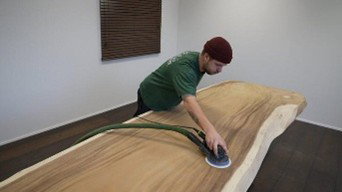
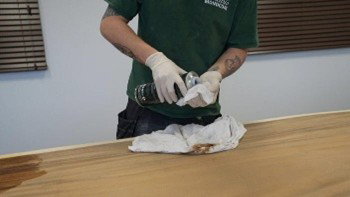
Sand the surface scratch-free. Finish at 100 grit for floors, or 100–120 grit for furniture, stairs and worktops.
2
Vacuum thoroughly, then remove the last dust with Cleaner. Any contamination weakens the bond. Let the surface dry fully.
3
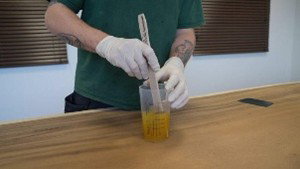
Mix the components: 3 parts A (oil) to 1 part B (hardener). Stir for 1 to 2 minutes until fully combined.
4
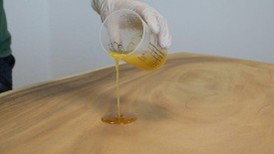
Apply a small quantity with a beige or red pad, working in zones of 5–10 m² on floors, in the direction of the grain.
5
Let it absorb for a few minutes.
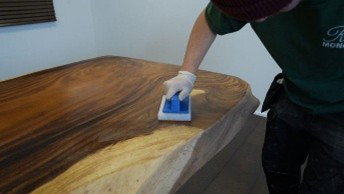
6
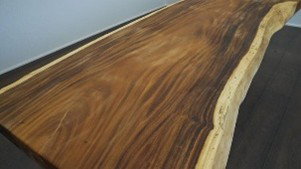
Remove all excess with a white pad or cloth. The surface should feel non-sticky. This is the step people tend to skip, and the one that matters most.
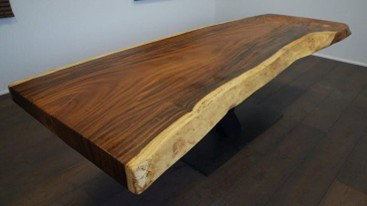
7
Allow to cure. Light foot traffic after about 12 hours, full cure in 5–7 days. Keep water and cleaning products off it for the first 5 days.
Temperature & safety note:
Work between 8 and 30 °C. Soak all cloths and pads in water before disposal, oil-soaked rags can self-heat and catch fire.
Match the finish to the ENVIRONMENT
Indoors or outdoors? Pick the right product
Wood finishings that work indoors will not survive UV, rain and freeze-thaw cycles outside. Here’s how to match your wood protection to the environment.
Questions
Frequently asked questions
For most floors, penetrating hard wax oil is the better long-term choice. It keeps the natural look and feel, and scratches blend in and can be repaired locally without sanding the whole floor.
A varnish or lacquer gives a harder, sealed surface, but any deep scratch breaks the film, and the fix is a full sand-back. Over a decade, the repairable oil finish is usually the more practical option.
In a laboratory abrasion test the scores are comparable, and in real use over ten years hard wax oil often outperforms polyurethane.
The reason is repairability. Polyurethane scratches are visible and permanent until the whole floor is sanded; hard wax oil scratches blend in and can be fixed in an afternoon. A finish you can maintain indefinitely beats one that needs full replacement every 10 to 15 years.
They are all film finishes that sit on top of the wood, with different chemistry and hardness.
Lacquer is a fast-drying film that can be built to high gloss but is relatively thin. Polyurethane is the toughest film, water-based or solvent-based. Varnish is an older oil-and-resin blend. All three protect well while intact, and all three need a full refinish rather than a local repair when they fail.
No. A penetrating oil needs to reach bare wood to bond, and it cannot soak through a film.
If the surface is currently varnished or lacquered, it must be sanded back to bare wood before applying a hard wax oil. Once it is oiled, future maintenance no longer needs that full sand.
A food-safe hard wax oil such as Oil Plus 2C is the strongest long-term choice for a wooden worktop.
It is certified for food contact, water and heat resistant once cured, and a knife mark or burn can be spot repaired invisibly. A lacquered worktop is marginally harder at first, but any damage means refinishing a large area to match the surrounding sheen.
Of all common floor finishes, hard wax oil is the best choice for homes with pets. Not because it is harder, but because claw marks can be repaired invisibly without sanding the whole floor. With Oil Plus 2C, a claw scratch compresses the fibres rather than cracking a film. Apply a small amount of oil to the area, work it in, and the mark disappears.
About the author
Jan Torfs
Global R&D Director at Rubio Monocoat
Jan Torfs is Global R&D Director at Rubio Monocoat. With over 20 years at the forefront of wood protection technology, Jan leads the science behind the company's single-layer oil system, 0% VOC standards, and third-party certification. His work covers everything from molecular bonding chemistry to food-safe and toy-safe compliance.
↑ Back to top